Blog
CBD & Hemp Education

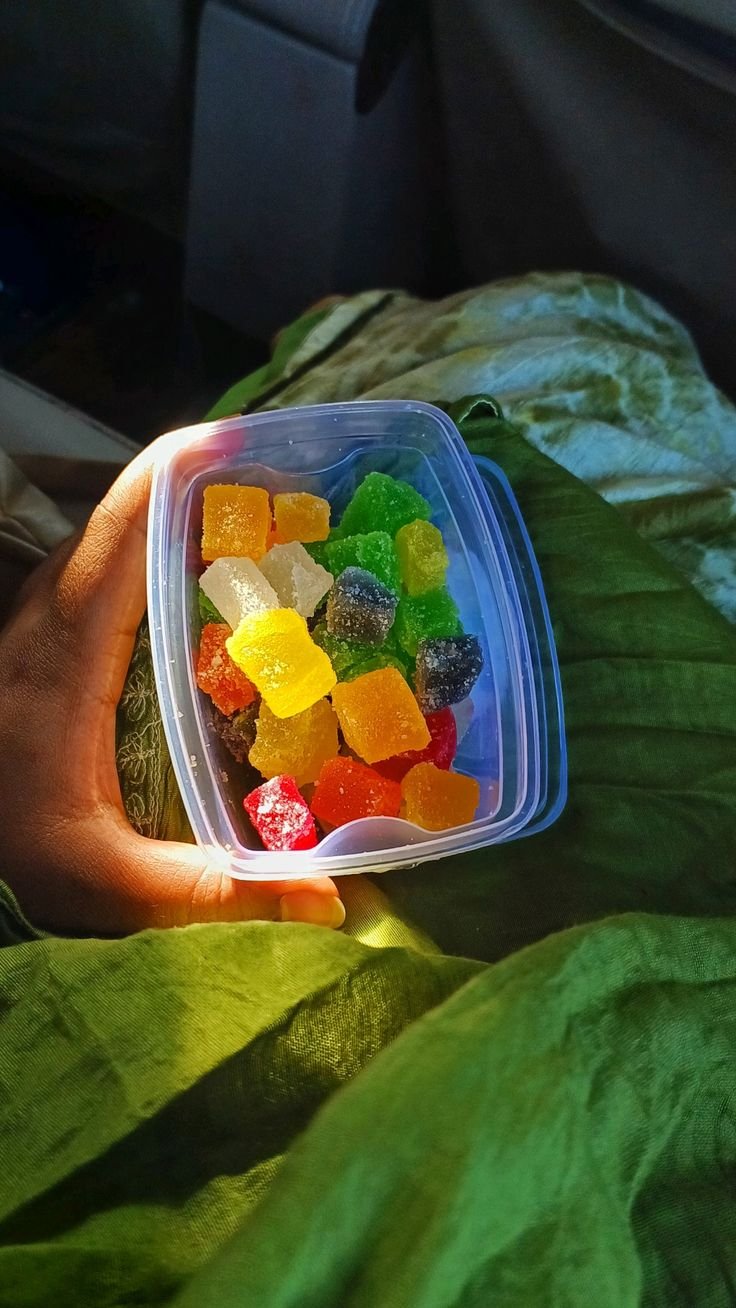
The cannabis landscape is shifting at a rapid pace, and with it, the conversation surrounding Cannabidiol (CBD). Whether you’re seeking potential wellness support, exploring alternatives to traditional methods, or simply trying to understand the sudden omnipresence of hemp-derived products, it can be overwhelming.
In this comprehensive guide, we bypass the marketing noise to deliver a fact-driven, scientifically-backed, and SEO-optimized resource for 2026. We address your most critical questions—from understanding the core compound to navigating the legal landscape—to help you make informed decisions about your health and well-being.
What Is CBD? A Complete Beginner’s Guide
If you’re asking, “What is CBD?” you are joined by millions of curious individuals.
CBD, short for Cannabidiol, is one of over 100 naturally occurring chemical compounds known as cannabinoids found in the Cannabis sativa plant. While it originates from the same plant family as marijuana, CBD is distinctly different.
Crucially, CBD is non-psychoactive. This means it does not produce the “high” or euphoric sensation commonly associated with cannabis. This fundamental difference is why it has become such a widely sought-after molecule for a range of uses without the impairment.
CBD can be extracted from either hemp (which is low in the psychoactive compound THC) or marijuana (which is high in THC). In 2026, the majority of the global market relies on hemp-derived CBD due to its broader legal status.
The Different Faces of CBD
In 2026, the market is sophisticated, and “CBD” is just the starting point. Beginner consumers will quickly encounter terms like CBD oil, CBD isolate, full-spectrum, and broad-spectrum. Understanding these is key (which we explore further below). When shopping, the most important factor is transparency, usually provided through Third-Party Lab Testing and a Certificate of Analysis (COA) for every product batch.
CBD vs THC: Key Differences You Should Know
The most common source of confusion for newcomers is the relationship between CBD and THC (Tetrahydrocannabinol). Both are cannabinoids, but they interact with the body in profoundly different ways.
THC is the primary psychoactive compound in marijuana. It is what makes a user feel “high” by directly binding with specific receptors in the brain.
CBD does not bind with those same receptors in the same way, making it non-psychoactive. It is known for its other potential properties.
Quick Comparison: CBD vs. THC
| Feature | CBD (Cannabidiol) | THC (Tetrahydrocannabinol) |
| Psychoactive? | No (Does not produce a “high”) | Yes (Produces a “high” or euphoria) |
| Common Use (Potential) | Relaxation, Sleep support, Discomfort management | Recreational, Pain relief, Appetite stimulation |
| Source Plant | Most commonly industrial hemp | Cannabis plants bred for high potency |
| Legal Status (Typical) | Federally legal (if <0.3% THC) in many regions | Often restricted to medical/recreational legal zones |
| Detection in Drug Tests | Very unlikely (if pure) | Very likely (primary target of testing) |
The essential takeaway is that you can experience the potential wellness support of a cannabis product with CBD without any intoxicating effects, whereas THC is defined by those same effects.
How CBD Works in the Human Body
Understanding “how does CBD work” is key to appreciating its potential. The secret lies in a fascinating regulatory system that every mammal possesses: the Endocannabinoid System (ECS).
The ECS is a vast, complex network of receptors, signaling molecules (endocannabinoids), and enzymes found throughout your central and peripheral nervous systems. Think of it as your body’s master regulator or thermostat. Its primary job is homeostasis—keeping things in balance. It influences functions like sleep, mood, appetite, metabolism, and immune response.
The Lock and Key Analogy
The ECS is often explained as a “lock and key” system. Your body makes its own “keys” (endocannabinoids) that unlock “locks” (receptors, specifically CB1 and CB2) to trigger various responses.
THC works like a key that fits the lock (CB1 receptors in the brain) perfectly, turning them on directly.
CBD works differently. It doesn’t directly lock into CB1 or CB2 receptors. Instead, a more simple explanation is that it influences the system indirectly. CBD acts like a “modulator,” interacting with enzymes that break down your body’s natural endocannabinoids. By doing so, it may encourage your body to use more of its own built-in signaling molecules, helping to prolong or enhance their effects.
In short, CBD doesn’t overwhelm your system; it helps the body’s own existing systems work more efficiently to maintain balance.
Is CBD Legal in the UK? Latest Laws Explained
Legal status is perhaps the most critical practical consideration for users, and in 2026, the question is nuanced. For people in the United Kingdom, the question is always: “Is CBD legal in the UK?“
The short answer is: Yes, CBD is legal in the UK. However, it is a highly regulated substance, and strictly defined criteria must be met.
For a CBD product to be legal for sale and consumption in the UK:
- Industrial Hemp Source: The CBD must be derived from an approved industrial hemp strain.
- THC Limits: To be classified as a legal CBD product, it must contain a maximum of 1mg of THC (and its related substances) per container, essentially making it trace-level and ensuring it is non-intoxicating. For years, the widely quoted number was 0.3%, but the per-container limit is the legally precise requirement.
- Novel Foods Classification: As of recent years (going strong into 2026), CBD is classified as a “Novel Food” by the Food Standards Agency (FSA). This means any brand selling CBD as a food supplement or an edible must have a validated Novel Foods Application in process. Buying from companies that are not on the FSA’s public list of applications is not recommended.
CBD for Ingestion vs. Topicals
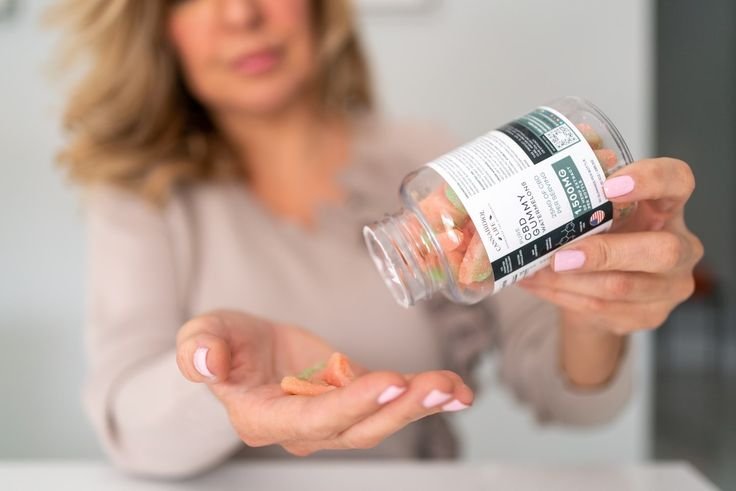
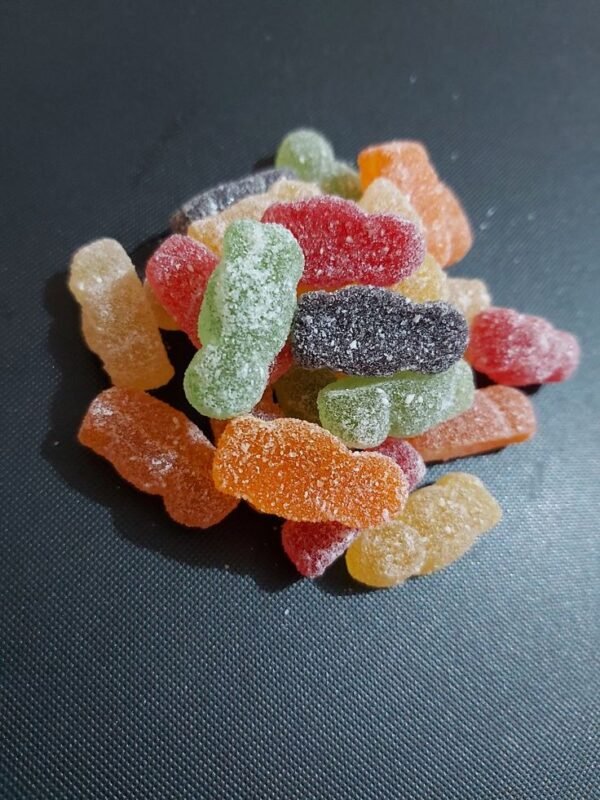
It’s important to note the difference. Edible CBD (oils, capsules, gummies) falls under strict Novel Foods regulations. CBD topicals (creams, balms, lotions) intended only for the skin have a more straightforward path to legality as cosmetics, provided they adhere to all general cosmetics safety regulations and contain no THC.
The regulatory environment is strict but aims for safety. Consumers should only purchase CBD from transparent, compliant UK retailers.
Full-Spectrum vs Broad-Spectrum CBD: Which Is Better?
When browsing products, you will find descriptions like “Full-Spectrum” and “Broad-Spectrum.” These are crucial distinctions related to the extraction and refinement process, and understanding them is essential to choosing the right product.
Full-Spectrum CBD
What it is: Full-spectrum CBD oil is an extract that contains all of the naturally occurring compounds found in the hemp plant. This includes other beneficial cannabinoids (like CBG, CBN, and CBC), flavonoids, and fragrant aromatic oils called terpenes. Critically, full-spectrum also includes the trace legal amounts of THC (less than 0.3%).
The Key Benefit: This “full” makeup allows for the Entourage Effect. This is the synergistic relationship where all of the plant’s components work together, potentially making the extract more effective than if the CBD was acting alone.
Broad-Spectrum CBD
What it is: Broad-spectrum CBD is essentially full-spectrum, but with one critical step added: all detectable THC is completely removed. It retains the rich profile of other cannabinoids, flavonoids, and terpenes, but leaves out the psychoactive compound.
The Key Benefit: Broad-spectrum offers the best of both worlds. It provides many of the synergy benefits of the Entourage Effect but ensures you have a 0.0% THC product, which is essential for those who must pass a strict drug test or simply want zero exposure.
So, Which Is Better?
“Better” is entirely subjective.
- Choose Full-Spectrum if you are comfortable with trace THC (below 0.3%) and prioritize maximizing the potential entourage effect for theoretical potency.
- Choose Broad-Spectrum if you need or prefer to be 100% THC-free (due to job, personal preference, or sensitive system) while still getting the benefits of the plant’s wider cannabinoid and terpene profile.
Common Myths About CBD You Should Stop Believing
Despite growing knowledge, significant misinformation about CBD persists. Addressing these myths is essential for safe and responsible use.
Myth 1: CBD gets you high.
Debunked: As discussed extensively, this is false. While some products like full-spectrum can contain trace amounts of THC, it is not enough to cause any intoxication or euphoria. If a product is causing a high, it contains a significant (likely illegal) level of THC.
Myth 2: CBD is addictive.
Debunked: According to the World Health Organization (WHO), CBD itself is well-tolerated and “exhibits no effects indicative of any abuse or dependence potential.
Myth 3: CBD will make me fail a drug test.
Debunked: Most standard drug tests look for metabolites of THC, not CBD. If you consume a high-quality CBD Isolate (99%+ pure CBD) or a Broad-Spectrum product, there should be zero THC and, therefore, nothing to trigger a positive result. However, users of Full-Spectrum products should be cautious, as trace THC could, in very rare cases with sensitive testing, trigger a result, especially with very high doses.
Myth 4: CBD works instantly for everything.
Debunked: While sometimes effective, CBD is not magic. For chronic issues, it often requires regular use over time for its effects to fully build. It interacts with your unique biology and is not a one-size-fits-all, instantaneous solution.
How Long Does CBD Take to Work?
One of the most frequent practical questions is: “How long until I feel anything?” The answer depends entirely on your method of consumption, your body chemistry, and what you are trying to address.
Here is a simple breakdown of the typical onset and duration times in 2026:
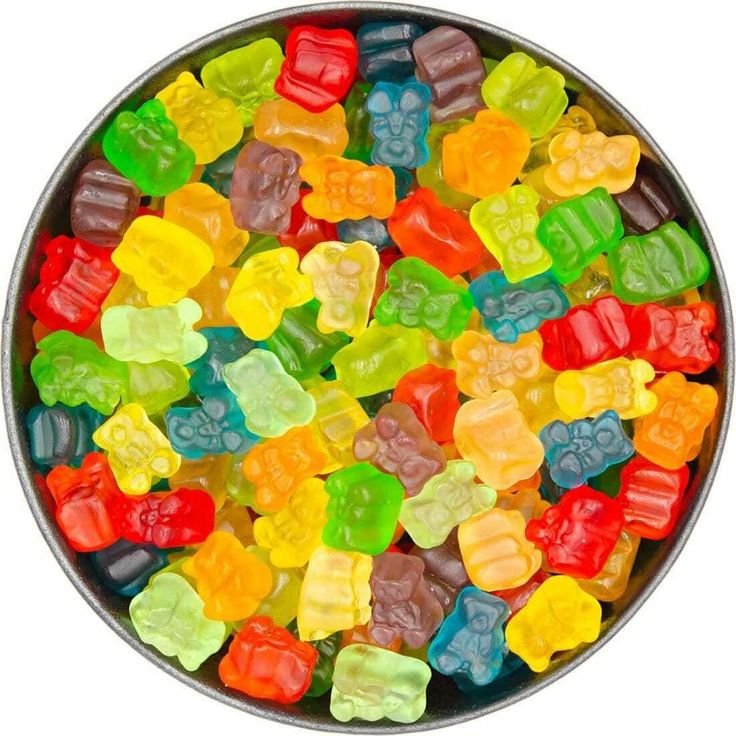
Delivery Methods and Their Timelines
- Sublingual (Oils/Tinctures): This is one of the fastest and most popular methods. You hold the oil under your tongue for 60-90 seconds, allowing absorption through the mucous membranes.
- Onset: Fast (15–45 minutes).
- Duration: 4–6 hours.
- Ingestion (Edibles, Gummies, Capsules): CBD must pass through the digestive system before entering the bloodstream, making it a slower process.
- Onset: Slow (1–2+ hours, affected by food).
- Duration: 6–8 hours (longest lasting).
- Inhalation (Vaping/Smoking): This method is the fastest as the CBD is absorbed directly through the lungs. (Note: In 2026, concerns over long-term effects of vaping persist).
- Onset: Nearly Instant (seconds to a few minutes).
- Duration: Short (1–3 hours).
- Topical (Creams, Balms): Used for localized areas, topicals never reach the bloodstream; they are absorbed by the skin receptors.
- Onset: Fast to moderate (15 minutes–1 hour).
- Duration: 2–4 hours (requires localized reapplication).
Ultimately, for most systemic uses, the sublingual method with high-quality oil offers the optimal blend of fast onset, decent bioavailability, and manageable duration. For issues related to long-term wellness, it is best to focus on consistency rather than instantaneous results.
We hope this 2026 definitive guide provides the clear, high-quality, and fact-based foundation you need for your CBD and hemp education journey.