Blog
Wellness & Lifestyle Content

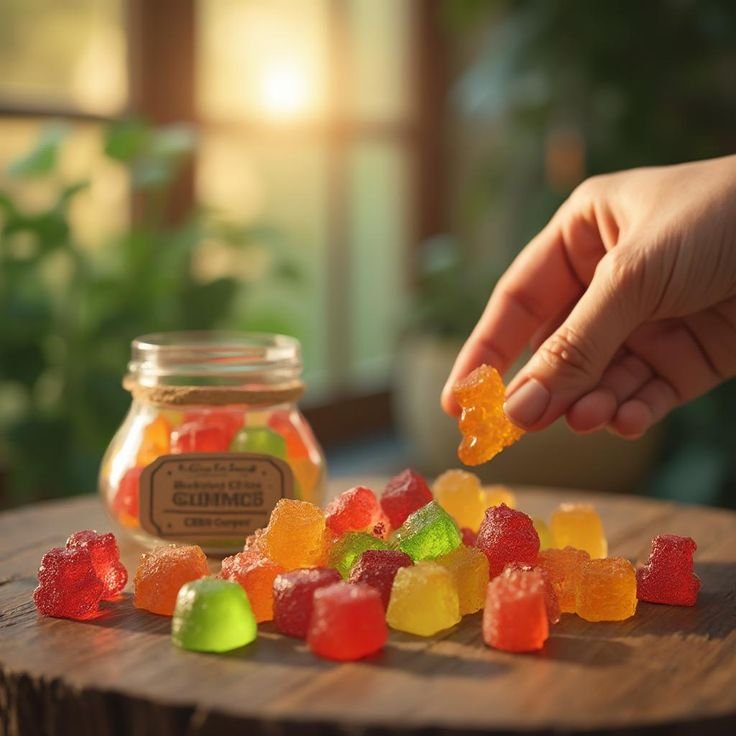
In a world that seems to operate at a relentless pace, finding sustainable balance is a constant challenge. We are increasingly seeking natural, plant-based solutions to support our mental and physical well-being. This search has led millions to Cannabidiol (CBD). But amid the noise, how can we separate genuine wellness from marketing hyperbole?
This comprehensive guide is built on the foundation of current research and practical application. We explore the roles CBD can play in managing stress, improving sleep, easing discomfort, and optimizing recovery. This is your definitive, evidence-based roadmap for integrating CBD into a modern wellness and lifestyle content strategy.

CBD for Stress and Anxiety: Does It Really Help?
In 2026, stress and anxiety are almost universal experiences. The search for “natural anxiety relief” has skyrocketed, and at the top of the results is often CBD. But does it actually work?
The Science Behind the Calm
The short answer, supported by a growing body of clinical and anecdotal evidence, is yes, it appears to help many people. But how? As we discussed in our education section, the secret lies in the Endocannabinoid System (ECS). Your ECS is crucial for maintaining homeostasis, including emotional balance.
Research suggests that CBD does not bind directly to receptors. Instead, a key mechanism appears to be how it interacts with serotonin receptors, specifically the 5-HT1A receptor. Serotonin is often called the “feel-good” neurotransmitter, and low levels are strongly linked to depression and anxiety.
By making it harder for your body to break down serotonin and influencing receptor signaling, CBD may effectively help boost the neurotransmitter’s natural function. Preclinical and clinical studies have shown potential in reducing social anxiety (like public speaking fears) and improving generalized anxiety scores.
Real-World Application
Users often report a subtle yet profound effect: a lifting of the edge, a dialing-down of the racing mind, and a greater capacity to handle daily pressures. Unlike benzodiazepines or other common anti-anxiety medications, CBD is non-addictive and does not carry the same heavy side effects. It’s important to understand it is not a cure, but it may be a valuable tool for management.

Can CBD Improve Sleep Quality Naturally?
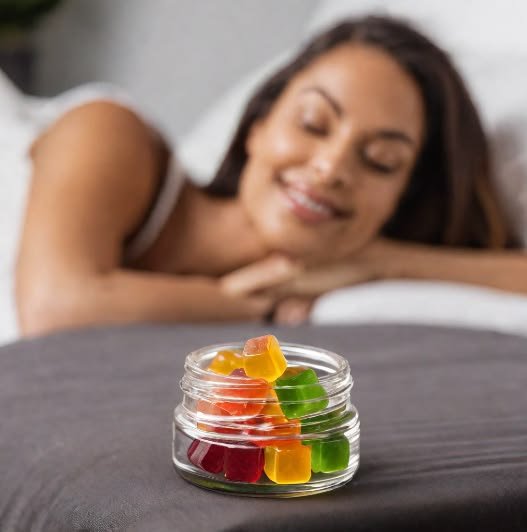
“How to get better sleep naturally” is one of the top health searches globally. Given the profound health consequences of sleep deprivation, this is no surprise. CBD has emerged as a major player in the quest for restful nights.
Beyond a Sedative
A common misconception is that CBD is a direct sedative, like melatonin. While very high doses can be sedating, for most users, CBD’s benefit is more indirect. It doesn’t put you to sleep as much as it addresses the underlying issues that prevent sleep.
Studies have shown that CBD may improve sleep quality for people dealing with:
- Insomnia and Anxiety: For those whose sleep is disrupted by a racing mind.
- Pain-Related Sleep Issues: Chronic pain and inflammation are major sleep disruptors.
- REM Sleep Behavior Disorder: Some research indicates CBD may decrease the frequency of REM sleep disorder episodes in individuals with conditions like Parkinson’s.
By reducing anxiety and physical discomfort, CBD clears the path for the body’s natural sleep processes to take over.
The Cortisol Link
Another potential avenue is CBD’s effect on cortisol, the body’s primary stress hormone. High nighttime cortisol levels are linked to insomnia. Some studies suggest CBD can reduce cortisol levels, allowing you to wind down more effectively. For optimized sleep, many users combine CBD with other non-sedative bedtime routines, like a warm bath or meditation.
CBD for Pain Relief: What the Science Says
Chronic pain is a leading cause of disability worldwide. The global opioid epidemic has made the search for “natural alternatives to painkillers” urgent. CBD is at the forefront, but what does the research actually tell us about “CBD for pain relief”?
Two Types of Pain
Pain is complex, but scientists often separate it into two main categories where CBD might act:
- Nociceptive Pain: Pain that arises from direct tissue damage (like a bruise or injury). CBD seems to work here through its potent anti-inflammatory properties. By reducing inflammation at the source, it can alleviate the pain signal.
- Neuropathic Pain: Pain that arises from nerve damage (like sciatica, multiple sclerosis, or post-herpetic neuralgia). This pain is notoriously difficult to treat. Some studies suggest that CBD may interact with glycine receptors in the spinal cord, which play a role in reducing pain signaling of nerve-based pain.
Current Scientific Standing
The strongest evidence to date for CBD in treating specific pain conditions comes from multiple sclerosis and neuropathic pain associated with conditions like cancer. In fact, in some countries, a prescription CBD/THC nasal spray (Sativex) is already approved for MS-related spasticity.
For other forms of chronic pain, like arthritis, clinical evidence is still emerging but anecdotal reports are overwhelming. While more human clinical trials are necessary to perfectly understand optimal dosing, the safety profile and biological mechanisms make it a promising avenue for pain management.
Daily CBD Routine: How to Use It Effectively
Understanding the potential benefits is pointless if you don’t know “how to use CBD effectively.” Consistency is everything. CBD is not a “one pill and done” solution; for best results with systemic wellness goals, it needs to be part of a structured routine.
Finding Your “Daily Routine”
Here are three common approaches to building a functional daily schedule:
Scenario 1: The Daytime Focus (Calm & Clarity)
- Goal: Manage stress without sleepiness.
- Method: Sublingual Broad-Spectrum CBD Oil.
- Timing:
- Morning (7:00 AM): 10-15mg to start the day calm.
- Mid-Day (1:00 PM): A booster 10mg dose if stressful events arise.
Scenario 2: The Optimized Sleep Strategy
- Goal: Support a full night’s restful sleep.
- Method: Ingestible CBD Gummies or Capsules (Longer Lasting).
- Timing:
- Evening (8:00 PM): 25-50mg about 60–90 minutes before bedtime. This gives it time to pass the digestive system.
Scenario 3: Physical Performance & Recovery
- Goal: Optimize muscle soreness and joint discomfort.
- Method: Combination of Topical Balm and Sublingual Oil.
- Timing:
- Pre-Workout (3:00 PM): A low-dose (10mg) oil.
- Post-Workout (5:00 PM): Generously apply a powerful CBD topical balm directly to sore muscles or joints.
- Evening (8:00 PM): Another low-dose sublingual oil.
Key Factors for Success
- Start Low, Go Slow: Begin with a low dose and gradually increase it over weeks, not days. This minimizes side effects and lets you find your minimal effective dose.
- Microdosing: Many people find success by taking smaller doses multiple times a day (e.g., 5mg in the morning, mid-day, and evening) rather than one large dose.
- Delivery Method: Match the method to your goal (e.g., sublingual for fast stress relief; ingestion for all-night sleep support).
CBD for Fitness Recovery and Muscle Soreness
The “no pain, no gain” ethos is standard, but the “pain” part (Delayed Onset Muscle Soreness, or DOMS) can derail training. Enter “CBD for fitness recovery and muscle soreness.” Athletes from casual joggers to professionals are adopting CBD as a natural performance-enhancer and recovery tool.
How It Supports Recovery
The mechanism is clear: Inflammation. While acute inflammation is part of the muscle-building process, excessive or chronic inflammation hinders recovery. CBD is a validated anti-inflammatory agent.
By reducing the swelling and chemical signaling that causes pain, CBD can help an athlete:
- Reduce DOMS: Shorten the duration and intensity of post-workout pain.
- Improve Range of Motion: Joint stiffness caused by inflammation is reduced.
- Promote Better Sleep: As covered earlier, better sleep equals better recovery.
Topical vs. Sublingual for Fitness
- Sublingual (Ingestible) CBD: Best for addressing systemic inflammation and improving overall well-being.
- Topical (Cream/Balm) CBD: The most effective tool for localized soreness. When you apply a high-concentration balm directly to a sore knee or hamstring, it bypasses the digestive system and works directly on the receptors in that tissue for targeted relief. In 2026, combining these approaches is standard for many athletes.
Natural Alternatives to Painkillers: Where CBD Fits In
For decades, the standard answer to pain has been NSAIDs (like ibuprofen, aspirin) or, for more severe cases, opioids. However, with NSAIDs associated with stomach and kidney damage, and opioids a driver of a global crisis, the search for “natural alternatives to painkillers” has never been more urgent. This is “where CBD fits in.”
A Critical Disclaimer
We must be crystal clear: CBD is not a pharmaceutical. For acute, severe pain from trauma, an opioid may be necessary and lifesaving. We are discussing the role of CBD in managing chronic, low-grade, non-malignant pain.
Where CBD excels as an alternative:
- Safety Profile: Unlike NSAIDs, CBD does not damage the stomach lining or kidneys. It has very few major drug interactions (though you must consult a doctor if on blood thinners).
- Lack of Dependency: Unlike opioids, CBD carries virtually zero risk of addiction or dependency.
- Targeting Inflammation: For pain conditions rooted in inflammation (like arthritis), CBD’s natural properties can provide relief without the side effects of traditional meds.
- Adjuvant Therapy (Combining): The most effective role for many is not as a total replacement, but as part of a strategy. CBD can work alongside standard painkillers (under medical supervision), potentially allowing the user to reduce their dosage of stronger, riskier medications.
In 2026, the medical community is increasingly viewing CBD not as a cure, but as a crucial, safer tool for chronic condition management, allowing individuals to maintain their lifestyle with less pharmaceutical reliance.